What makes a game an arcade game?
Four things, and none of them are graphics. First, the game starts instantly — no tutorial, no menus deeper than a difficulty pick. Second, it is played with reflexes and positioning rather than long-term planning: the decision window is seconds, not minutes. Third, it ends. An arcade run always ends, usually in failure, and the score is what you keep. Fourth — and this is the design genius — it immediately offers another try. The loop of "one more go" is the entire business model of the original arcade cabinet, and it still works in a browser tab.
That is also the honest difference between this corner of the site and the rest of it. The solitaire games and puzzle games reward patience and deduction; arcade games reward the hundred small corrections your hands make before your brain has finished noticing. Both are worth ten minutes. They are just different ten minutes.
The two arcade games on Deckmio
- Snake — the oldest idea on the site and still one of the best. You steer a snake that never stops moving, eat food to score and grow, and the game ends the instant you touch a wall or your own body. Every bite makes you longer and faster. Play it on Snake.
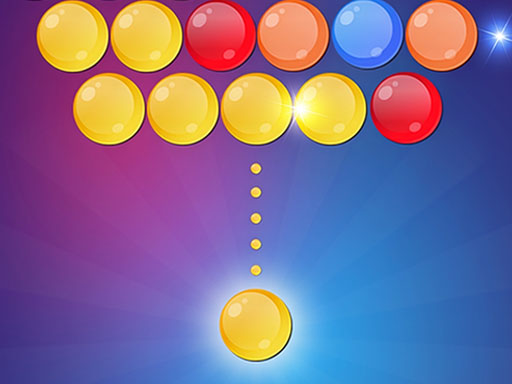
- Bubble Shooter — aim a cannon, fire a bubble, and pop any group of three or more matching colours. Clear the support and everything hanging beneath it drops at once. The field keeps creeping down, so stalling is losing. Play it on Bubble Shooter.
Both run in the browser with no download and no account, and both keep a score that only means something because your previous best is right there. That is the other half of arcade design: the opponent is always your own last run.
How to actually get better at arcade games
Reflex games look like talent, but they are mostly technique. The players with the big scores are not faster — they are earlier. Three habits transfer to almost every game in the genre:
- Decide before you must. In Snake, the turn you survive is the one you planned two squares ago. In Bubble Shooter, the shot worth taking is the one you lined up before the cluster arrived. Input is the last step of a decision, not the first.
- Own one safe pattern. Every arcade game has a position that is always survivable — hugging the wall in Snake, keeping the lowest row tidy in Bubble Shooter. Learn your fallback position first and improvise second.
- Watch your own deaths. An arcade score jumps when you stop repeating the same three mistakes: the panic turn, the wasted shot, the greedy bite. Two minutes of honest failure review beats twenty minutes of retrying on autopilot.
Which one should you play?
| Game | A run takes | Skill is | Best for |
|---|---|---|---|
| Snake | 1–4 min | Route planning at speed | Short breaks and long scores |
| Bubble Shooter | 3–6 min | Aim, angles and patience | A calmer kind of reflex |
| Something to think about? | — | Deduction | The puzzle games or solitaire |
Where to go from here
Each game has its own strategy guide: Snake strategy covers route planning on a 20×20 board with solid walls, and Bubble Shooter strategy covers bank shots, support bubbles and colour discipline. Or skip the reading and start a run on Snake — the first ten deaths are the tutorial.